Choosing Well, With Clarity
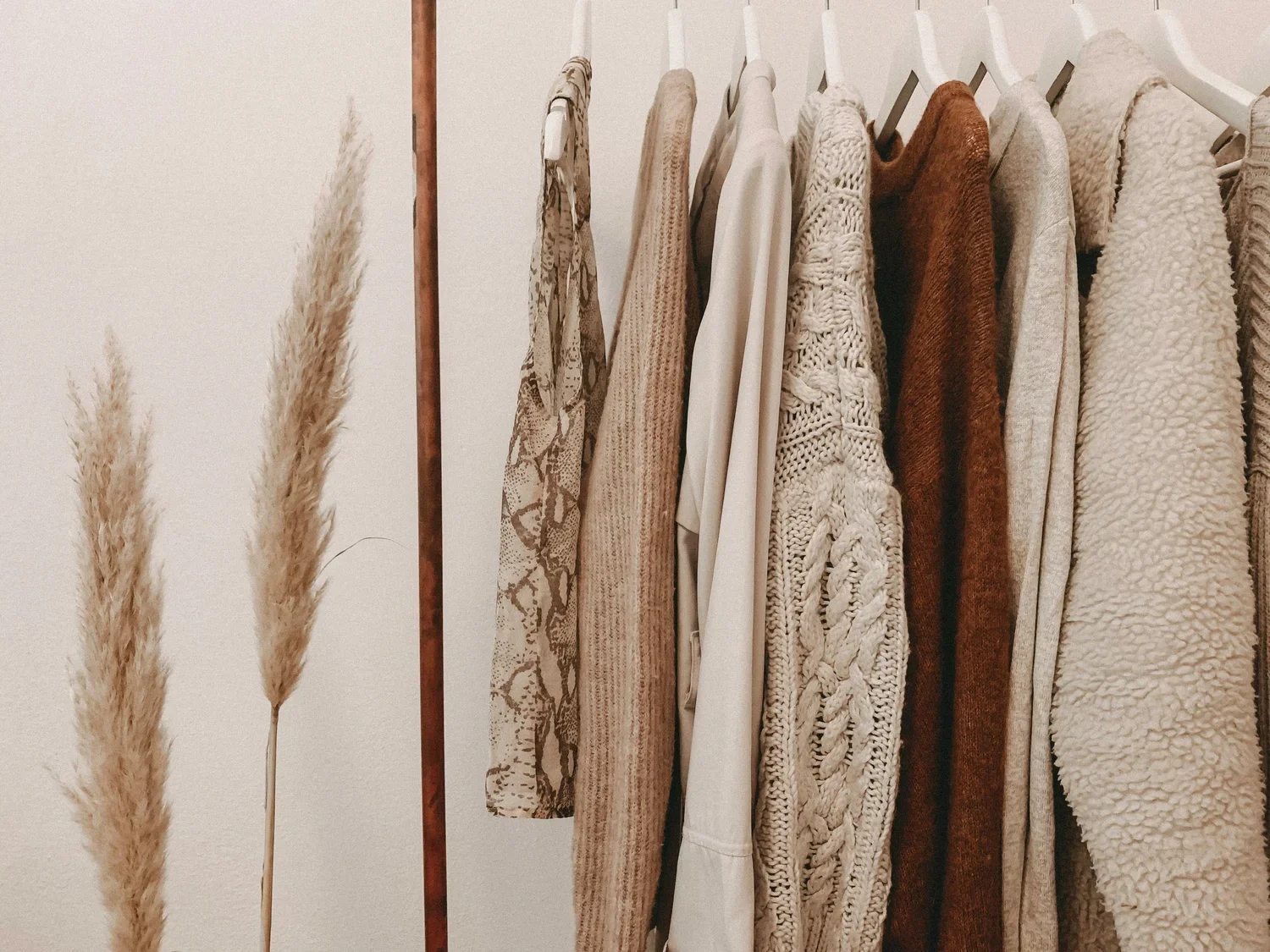
It often starts simply. You try to find something that feels right — something beautiful, thoughtful, aligned with how you want to live. Something for your home, your wardrobe, or a gift for someone you care about. But the process rarely stays simple.
You question materials. You check origins. You try to understand whether something is recycled, organic, responsibly made, or locally produced. You feel uneasy about waste, about impact, about choosing badly. And just as you begin to feel certain, something shifts. A detail you didn’t notice before. A material that can’t be traced. A label that says the right things but doesn’t quite mean them. A product you liked, suddenly harder to justify.
Slowly, what should feel intuitive becomes a task. You compare, reconsider, discard. You second-guess things you initially loved. You start over again. And eventually, the process stops feeling like care — and starts feeling like effort. Many people respond in one of two ways: they give up, or they compromise. They choose something that doesn’t fully align with their values, or something that doesn’t fully reflect what they actually want.
At the same time, brands have learned how to respond to this desire for better choices — but not always in ways that make things clearer. “Sustainable,” “ethical,” “conscious” — these words appear everywhere, but they don’t always come with substance. Materials are highlighted while production is left vague. Claims are made without full transparency. One part of a product may be considered, while the rest remains unclear. The result is not clarity, but confusion wrapped in reassurance.
I found this difficult to navigate. Even when I turned to directories of ethical brands, the experience often felt reduced to function rather than beauty. The joy of discovery disappeared. Choosing became something serious rather than something pleasurable. And even at the higher end — even with designer pieces — ethical clarity is not guaranteed. Price does not solve transparency.
This is where The Edit began. Not from the idea that better choices don’t exist, but from the frustration that they are so difficult to find in one place — both beautiful and genuinely considered. The Edit exists to change that experience.
We curate pieces that are not only responsibly made, but also aesthetically considered — objects and garments that fit into real life, without requiring compromise between ethics and desire. The aim is simple: to make choosing well feel natural again.
Because sustainable living should not feel like restriction or effort. It should feel like a more intentional, more beautiful way of living — something you are drawn toward, not something you have to decode.
A considered life is not a lesser one. It is simply a clearer one.