Denim, Considered
Denim is one of the most familiar materials in modern wardrobes. It is worn constantly, shaped by repetition, and rarely questioned in terms of origin. It is also one of fashion’s most resource intensive categories, shaped by water use, chemical processing, and global supply chains designed for scale rather than longevity.
But denim is unusual in one important way. It is designed to evolve. It softens, fades, and adapts over time. When made well, it becomes something kept rather than replaced.
The brands below represent different approaches to improving denim production, from organic sourcing and traceable materials to circular systems, accessibility, and repair led manufacturing.
Sustainability Through Design and Wear
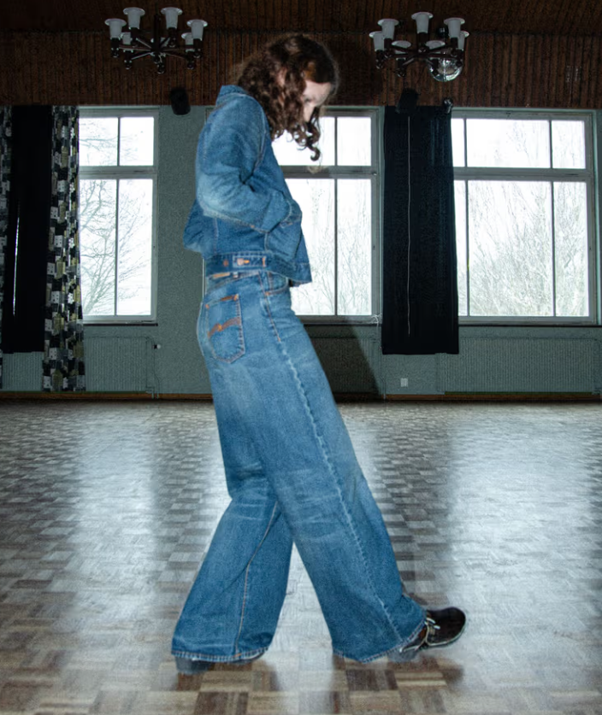
Nudie Jeans combines organic cotton sourcing with a strong emphasis on repair culture and long term garment use. A defining part of their model is their free repair service, which supports extending the lifespan of denim through ongoing maintenance rather than replacement.
The Sonic Sue Orange Painter jean sits within a workwear inspired aesthetic, with a wide relaxed fit and a deep indigo wash designed to soften and evolve over time. Their approach places equal importance on material choice and garment longevity through repair infrastructure.
Traceability and Organic Materials
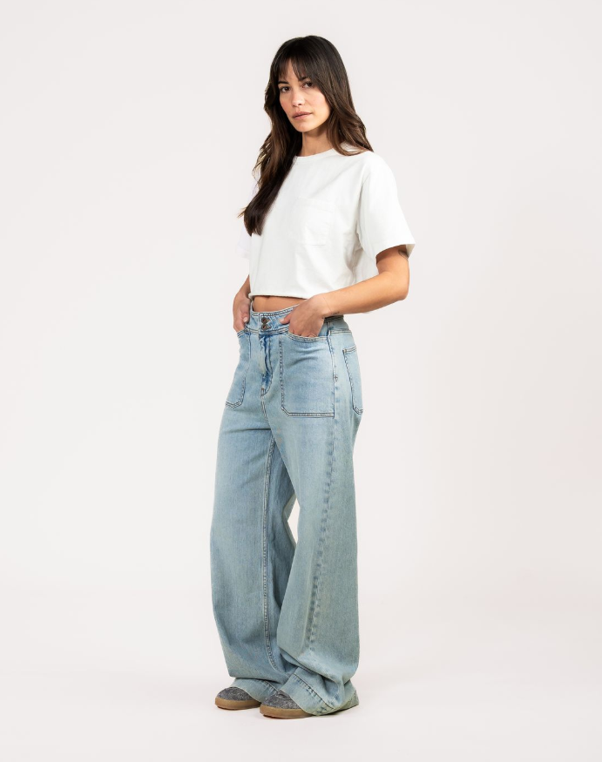
Kuyichi focuses on traceable organic denim with a long standing commitment to transparency in sourcing and production. The brand uses organic cotton alongside pre consumer recycled cotton, meaning production waste is reintroduced into new garments rather than discarded. This reduces reliance on virgin fibre and improves material efficiency. They work with certified factories and maintain structured supply chain reporting, allowing clearer visibility across production stages.
The Farrah Worker jean carries a vintage inspired silhouette, while its construction is grounded in material traceability and responsible sourcing systems.
Organic Material Focus
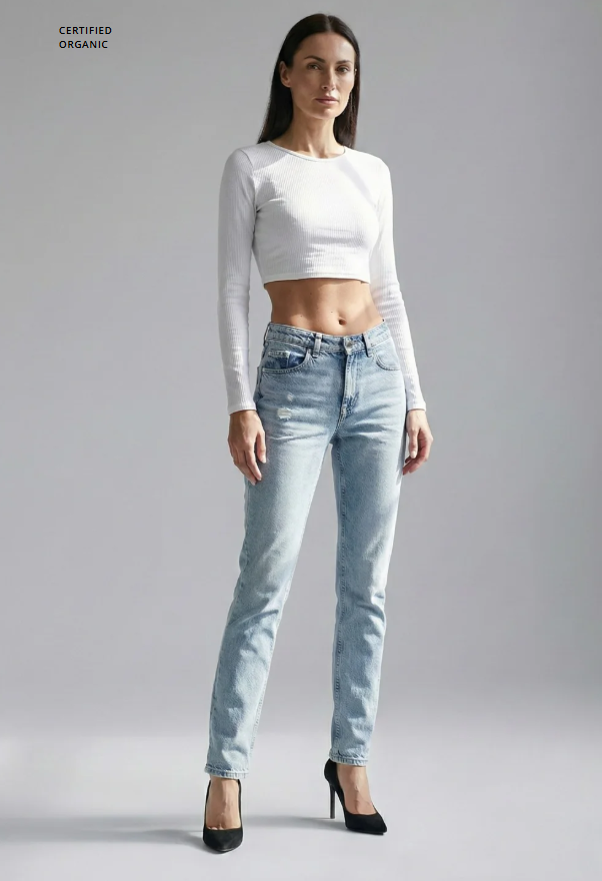
Organsk focuses on certified organic cotton systems, reducing chemical inputs during cotton farming and processing.
The Aqua Ocean Breeze jean is made using GOTS certified organic denim with minimal chemical intervention, prioritising cleaner fibre production and reduced environmental load at source. The design is simple and wearable, with a focus on fabric purity and softness rather than heavy finishing or industrial processing.
Accessibility and Lower Impact Basics
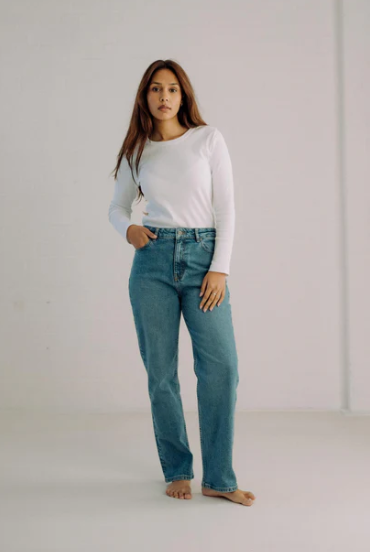
Yes Friends focuses on making lower impact clothing accessible at more affordable price points through simplified supply chains and fair wage production. Their denim is produced in audited factories with an emphasis on organic cotton use and reduced retail markups.
The Straight Jean is intentionally minimal, designed as an everyday staple with durability and simplicity at its core. This approach reflects a broader shift toward making improved production standards more widely accessible.
Circular Denim and Material Reuse
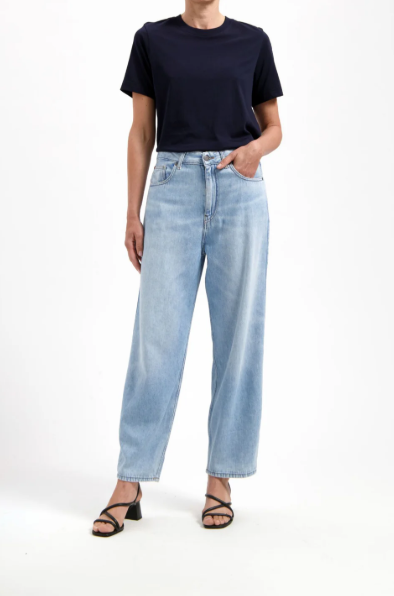
Mud Jeans operates a circular production model that includes leasing, take back systems, and recycled fibre integration designed to extend material life cycles. A significant proportion of their denim uses recycled cotton blended with organic cotton, reducing reliance on virgin material extraction.
The Brooke silhouette reflects a more contemporary interpretation of circular denim, with a curved barrel shape that moves away from rigid traditional fits while maintaining a lower impact material base. Their system is built around reuse and return, keeping materials in circulation for longer periods of time.
Longevity, Repair and Slow Production
Hiut Denim is built around a repair first philosophy. Based in Wales, the brand grew from a former factory that once produced thousands of jeans each week, and now operates with a focus on slower, more intentional production. A central part of their model is their repair service, which encourages garments to be returned, repaired, and kept in use for longer periods of time.
The Edna reflects this approach. It is a wide relaxed silhouette designed for ease and repetition rather than seasonal change, with a focus on longevity of form and construction. Hiut’s model prioritises fewer garments made with long term wear and repair in mind, reinforcing denim as a long life object rather than a disposable one.
Sustainability in denim is shaped by multiple approaches across materials, production systems, and lifecycle design.
Each brand represents a different way of improving how denim is made and used, from traceable organic sourcing to circular systems, accessible production models, and repair led longevity.