Six Things to Look for on a Late Summer Walk
There is something wonderful about late summer. The hedgerows are heavy with fruit, the landscape offers unexpected treasures and walks become opportunities to reconnect with the natural world around us. Gathering food from the land is part of our heritage. Gathering wild ingredients connects us to the seasons and the places we call home.
Foraging offers a simple way to slow down, spend time outdoors and appreciate the abundance that grows around us. Many of these ingredients can be found at local farm shops, markets or specialist growers, but for those who want to take it a step further, a walk through the countryside can become a chance to gather something truly seasonal. From jewel-like berries to fragrant nuts and forgotten fruits, this guide explores some of late summer’s most beautiful wild finds, where to look for them and how to bring them into the kitchen.
Blackberry
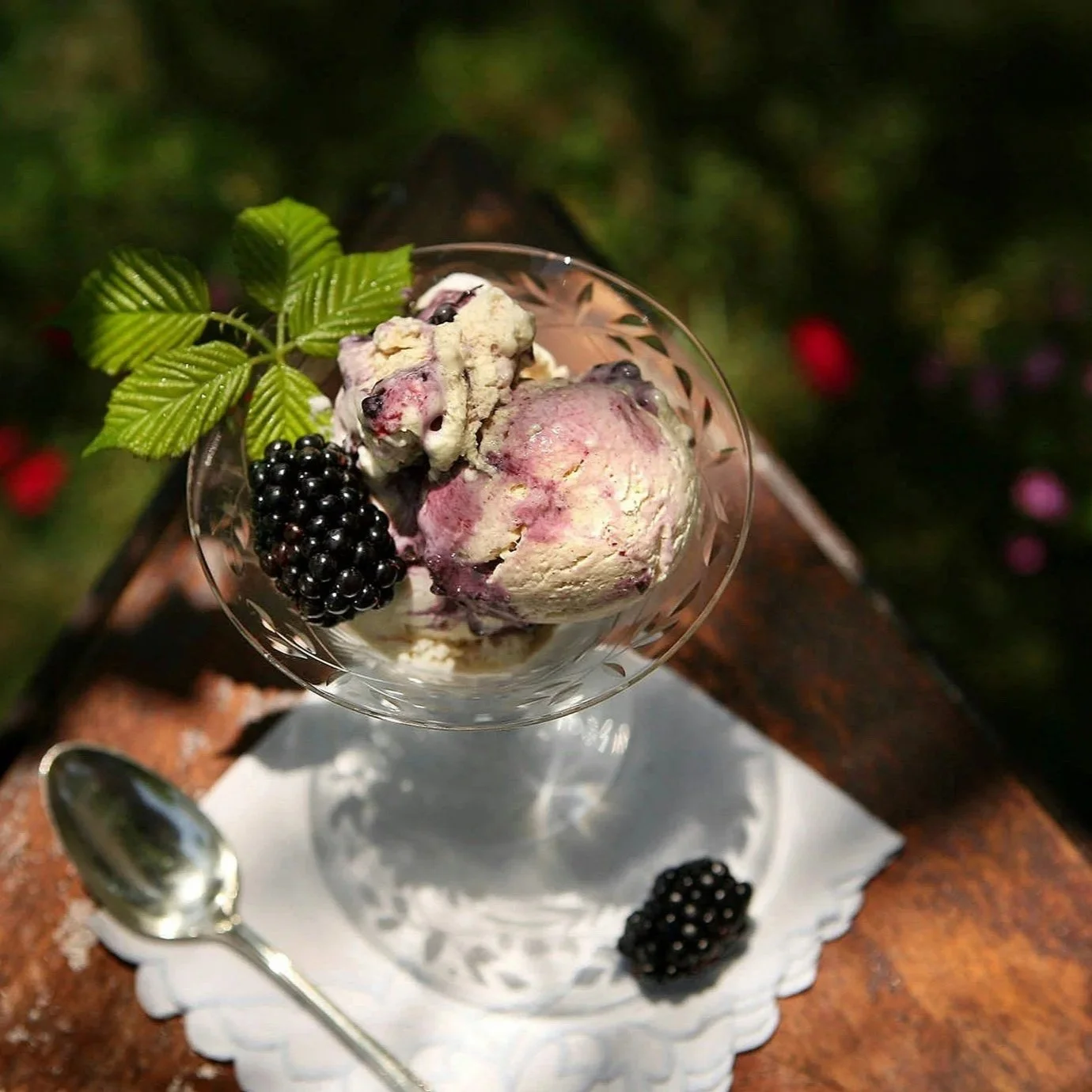
There are few sights that capture the end of summer quite like blackberry-laden brambles arching over a country lane. Their glossy dark fruits appear from late July onwards, turning familiar hedgerows into nature's pantry.
If you gather a small handful, they are wonderful folded into a crumble, baked into a buttery galette or simply scattered over thick yoghurt with a drizzle of honey.
Elderberries
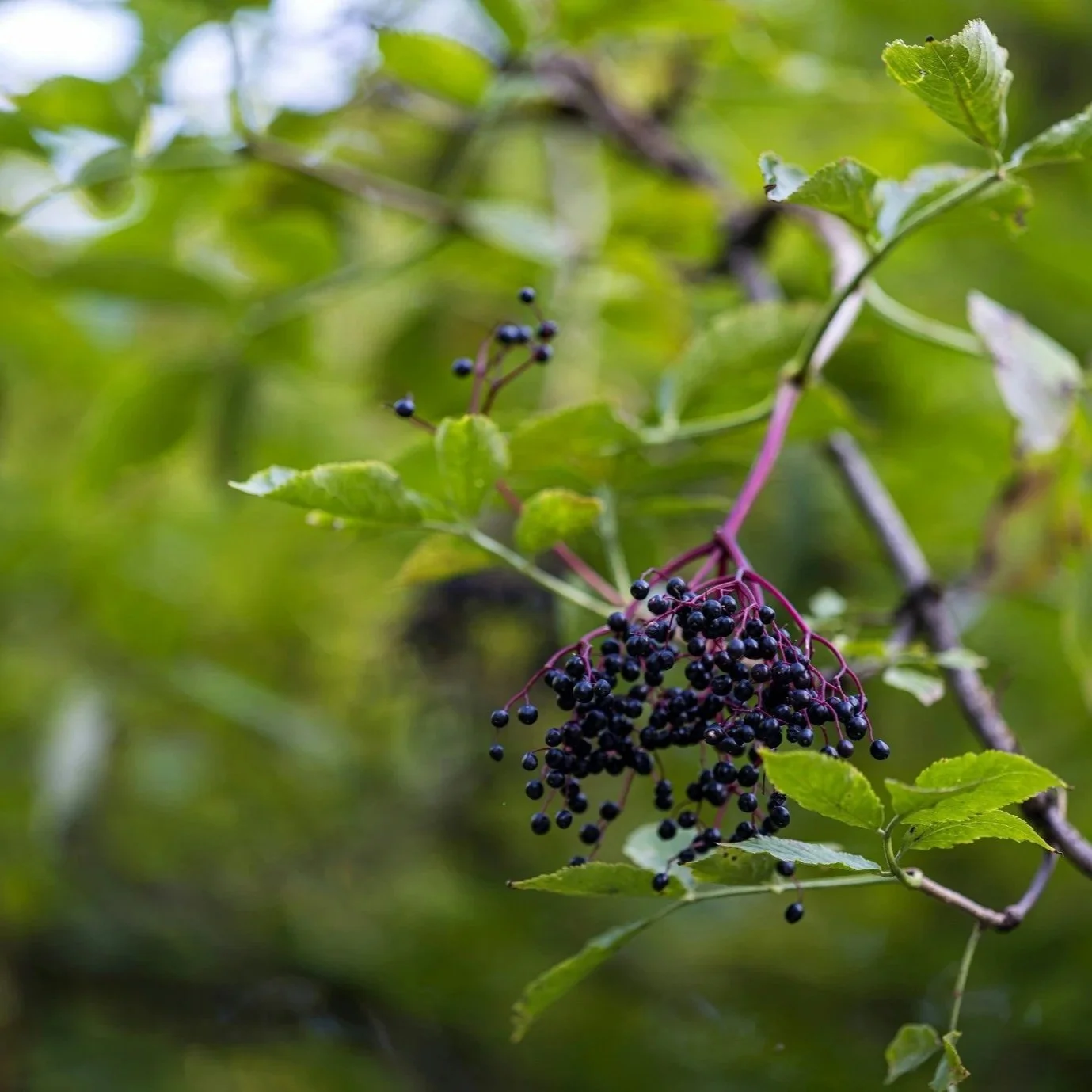
As August unfolds, elder trees become laden with clusters of deep purple berries that almost seem to disappear into the foliage until the light catches them.
Once cooked, elderberries make deeply flavoured cordials, syrups and preserves that capture something of late summer to enjoy through the colder months.
Crab Apples
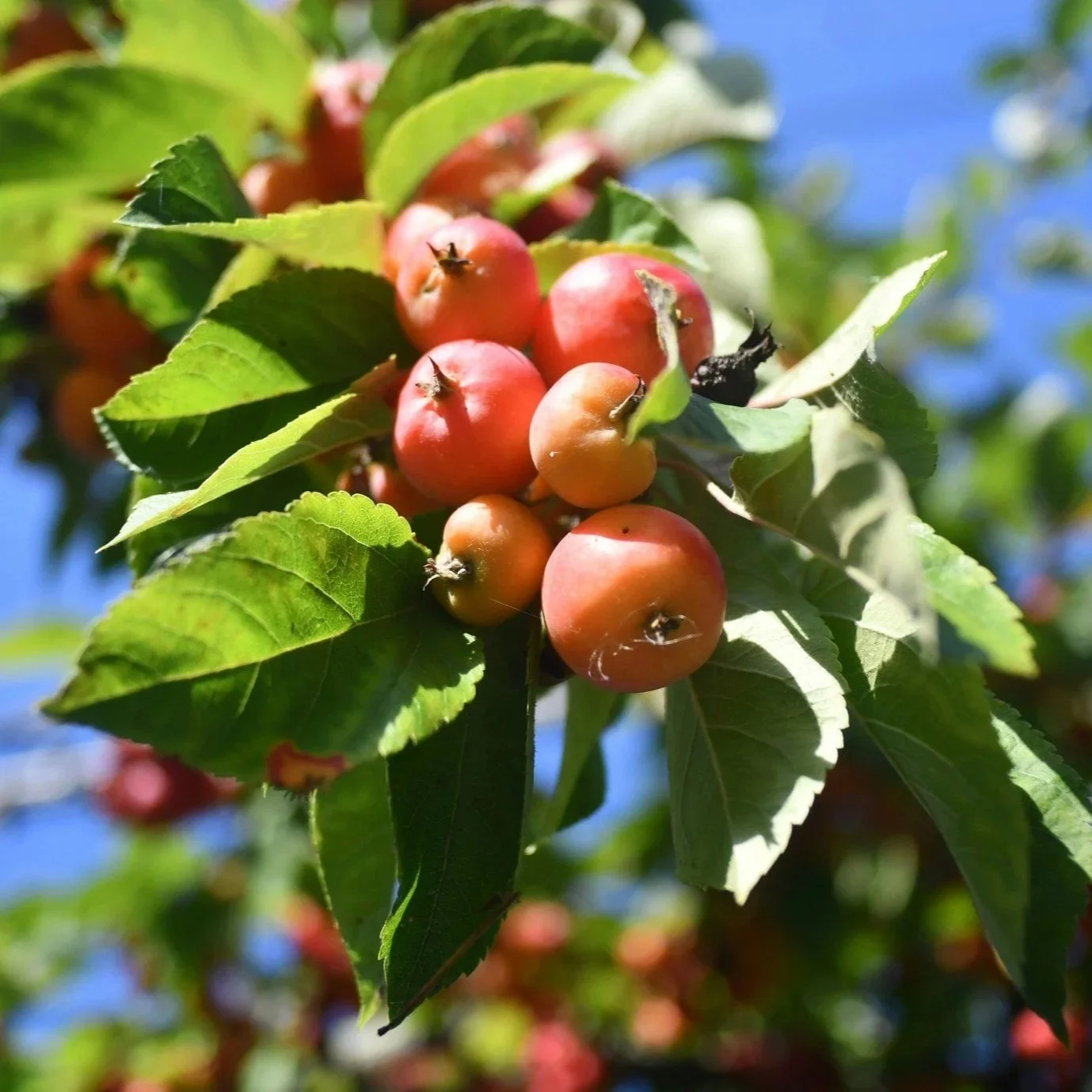
Smaller and far sharper than the apples we know from the kitchen, crab apples hang like little jewels among woodland edges and old hedgerows as summer fades.
Although too tart to eat straight from the tree, they make the most beautiful amber-coloured jellies, perfect alongside cheese, roast meats or warm slices of fresh bread.
Rowan Berries
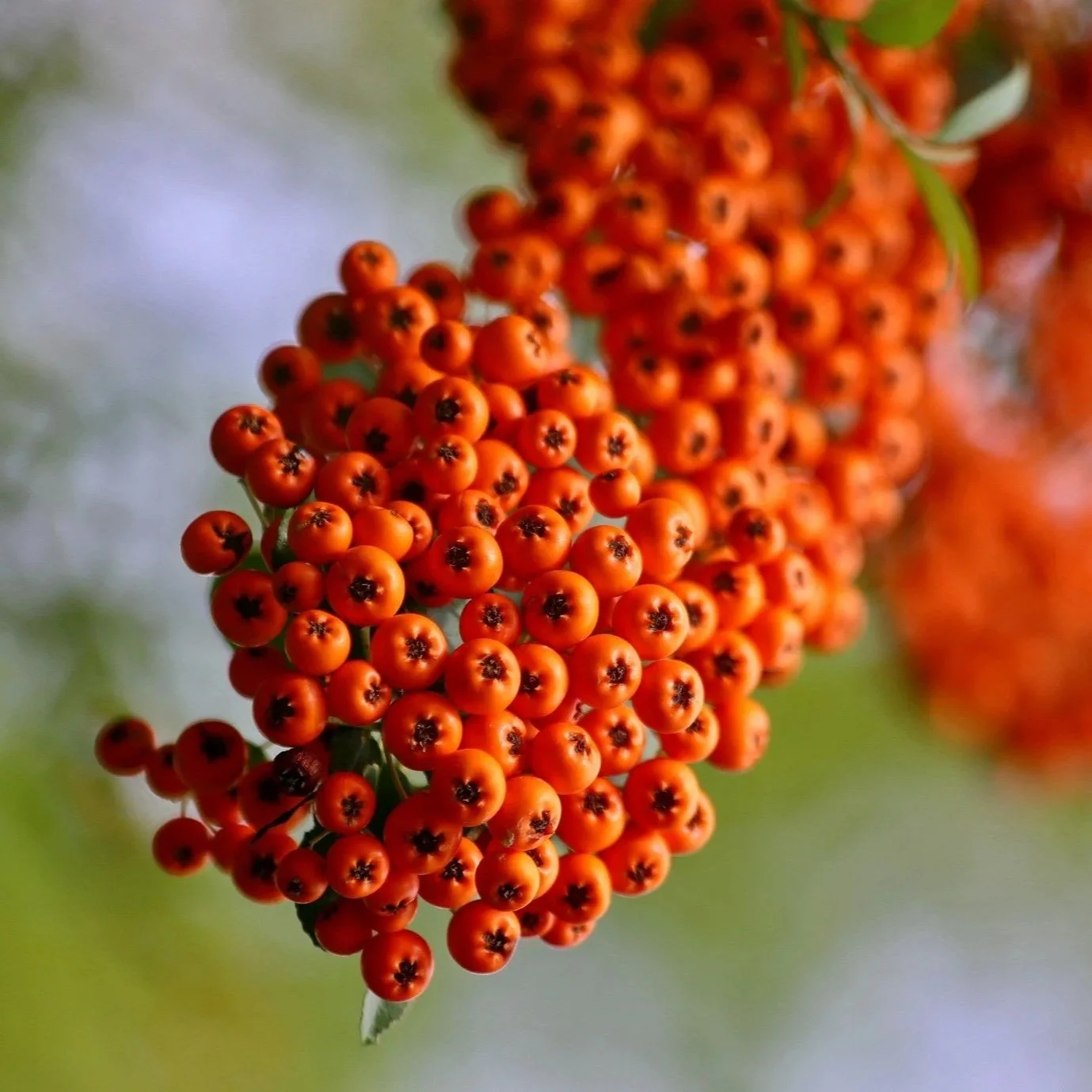
Bright clusters of scarlet berries glow against delicate feathered leaves, making the rowan one of Britain's most striking late summer trees. Long associated with folklore and protection, it has watched over farms, cottages and village greens for centuries.
The berries are too bitter to enjoy raw but become beautifully complex when transformed into a traditional jelly or syrup.
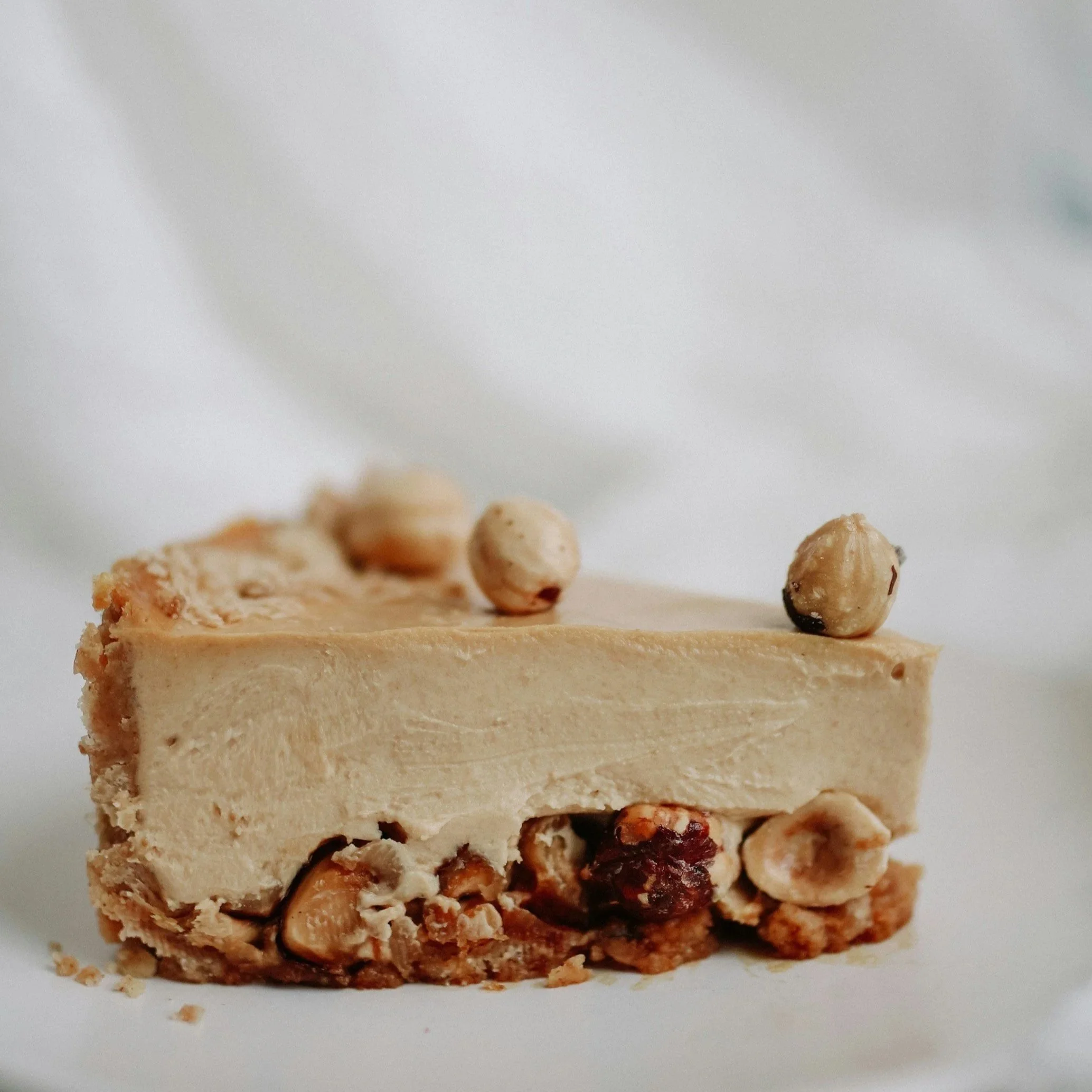
Hazelnuts
Look closely beneath the broad green leaves of hazel and you'll often find clusters of young nuts still wrapped in their leafy husks. They're one of the quiet signs that autumn is approaching.
Roasted gently until golden, hazelnuts bring warmth and richness to everything from simple salads to homemade cakes, or are delicious enjoyed just as they are.
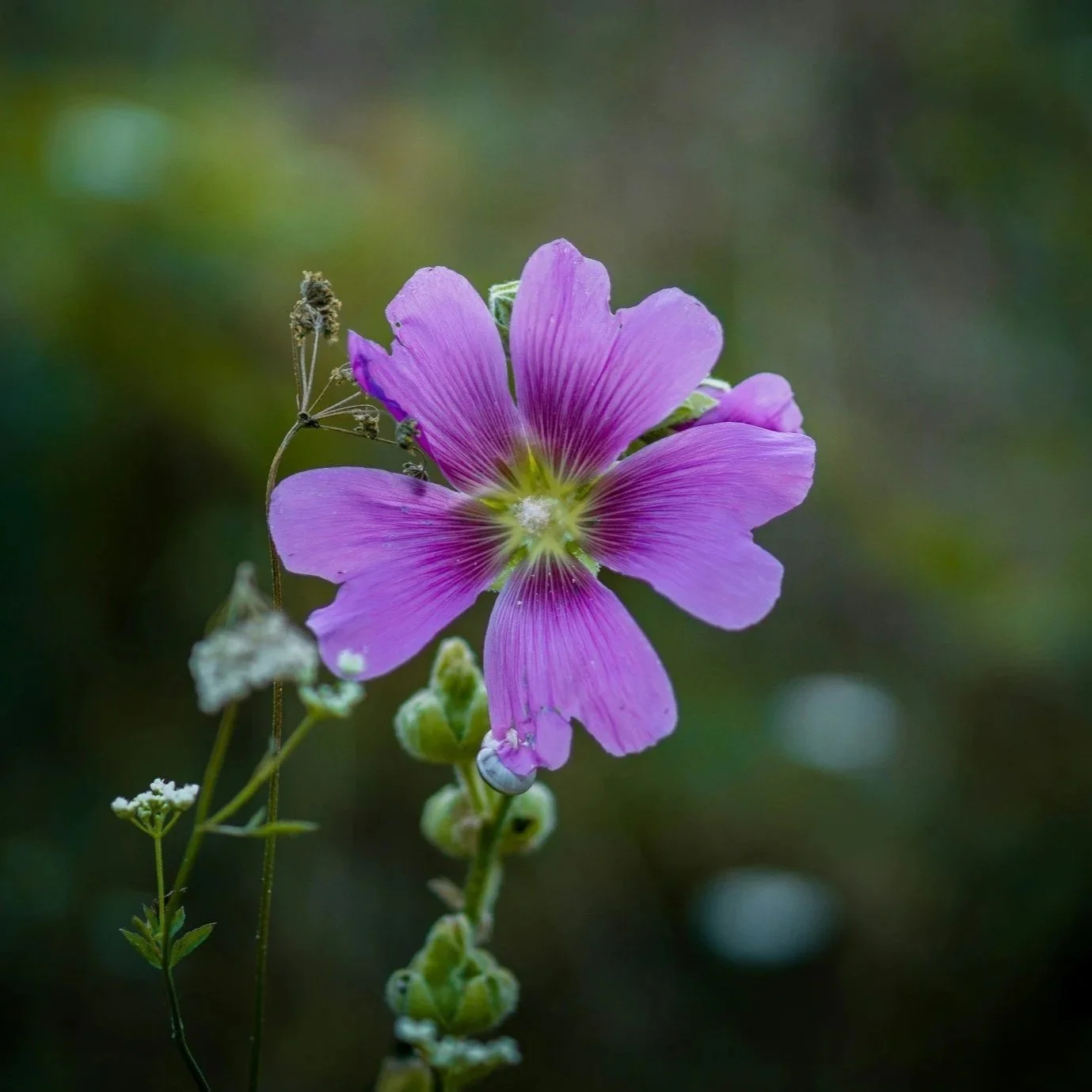
Mallow
One of the more understated treasures of late summer, mallow grows quietly along hedgerows, footpaths and sunny field edges. Its delicate mauve flowers are easily overlooked but reward those who pause to notice them.
Both the leaves and flowers are edible, adding a gentle freshness to salads or traditional dishes that have celebrated this humble plant for generations.
Foraging is a wonderful way to reconnect with nature, but it should always be approached with care. Only forage where you have permission, and never pick anything you cannot identify with complete confidence. Modern plant identification apps can be helpful, but nothing replaces learning from someone experienced. Leave plenty behind for wildlife and other foragers, and avoid collecting near busy roads where plants may be exposed to pollution. Enjoy yourself, take only what you need, enjoy the process and feel the real pleasure of foraging noticing the world around you.