The Autumn Beauty Reset
As autumn draws in there are different requirements for our beauty routines. The cold weather can be so harsh to skin while the season allows make up to make more of a statement, the bronzed babe look is over and the deep berry tones are in. So we’re looking for indulgent creams and deeper tones for make up. Make up can be one of the hardest things to find sustainable options for due to complicated formulas, tiny pieces of packaging and ingredients with supply chains that aren't always easy to trace. So we’ve done the research for you, looking beyond the green packaging and vague promises to find brands with genuinely strong ethical and environmental standards.
Skincare
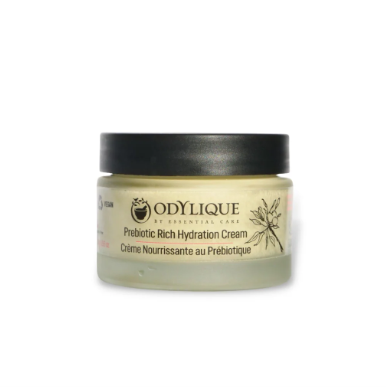
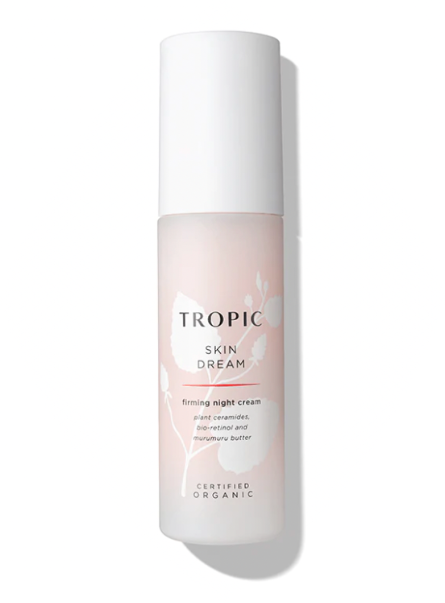
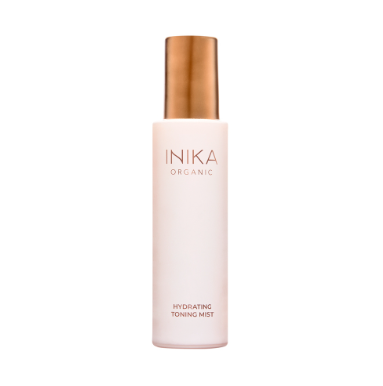
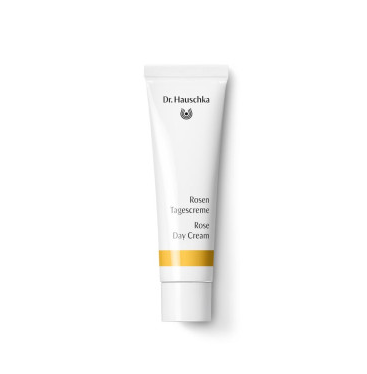
First and foremost lets look after our skin. The cooler weather and central heating can leave skin feeling dry, so now is the time to bring in richer textures and more nourishing formulas.
Lips
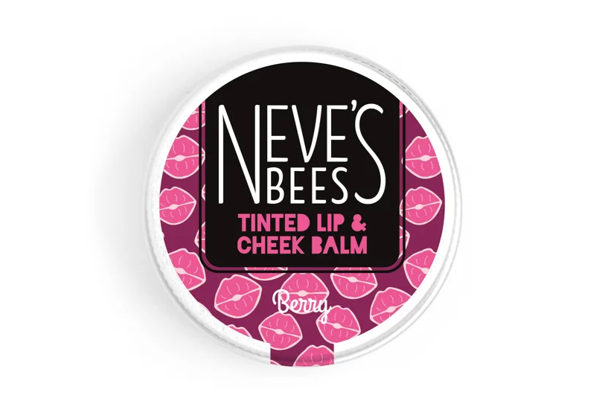
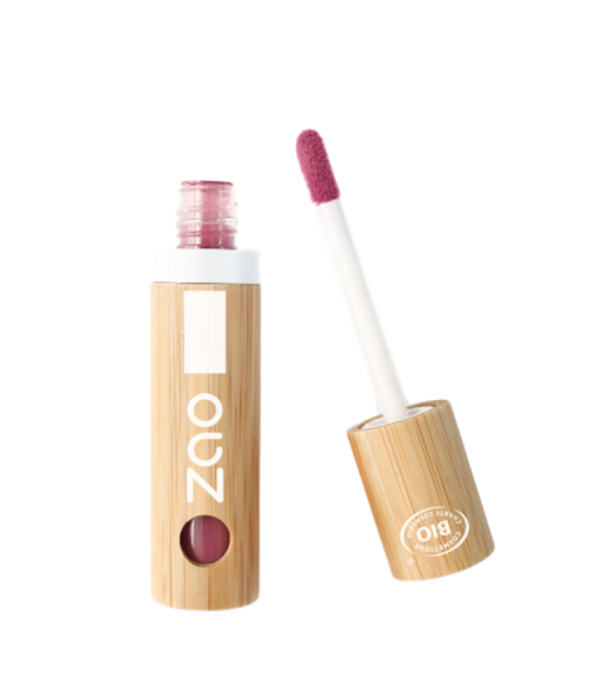
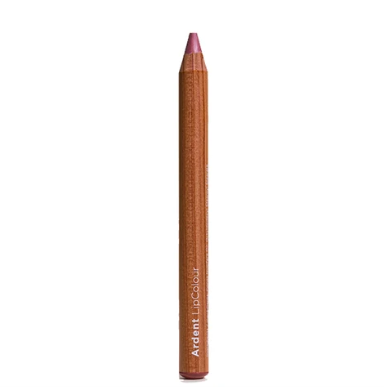
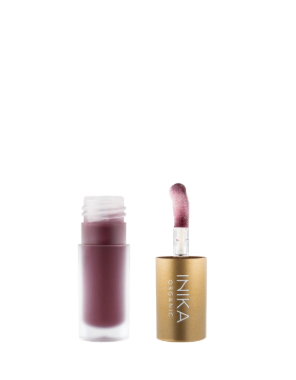
This is where autumn really comes into its own. Forget the barely there glosses of summer. We want blackberry, plum, rose, wine and deep reds. Even better, you don't necessarily need a dramatic lipstick. A berry balm or stain can give you that just bitten colour that looks particularly good with an oversized knit and a cold afternoon.
Eyes
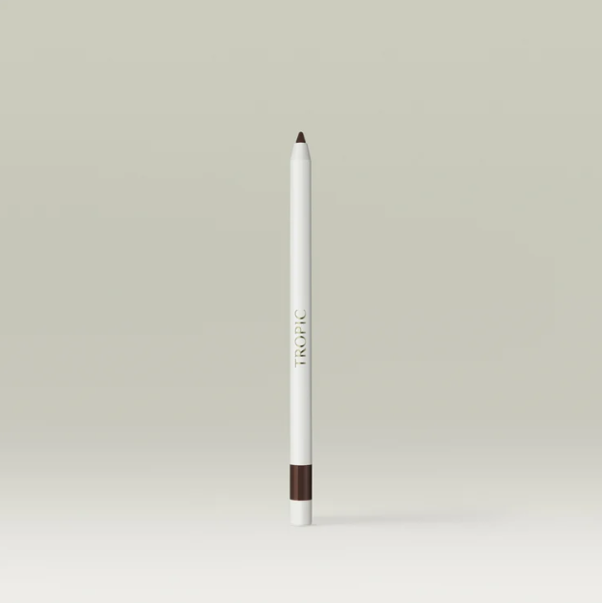
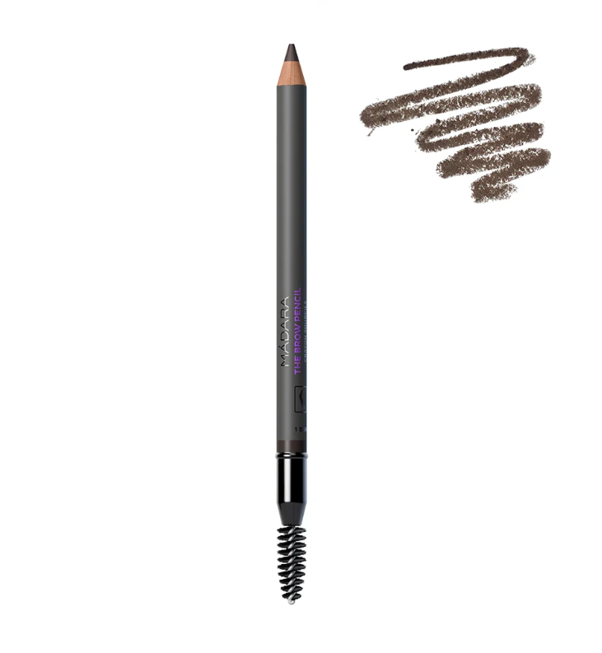
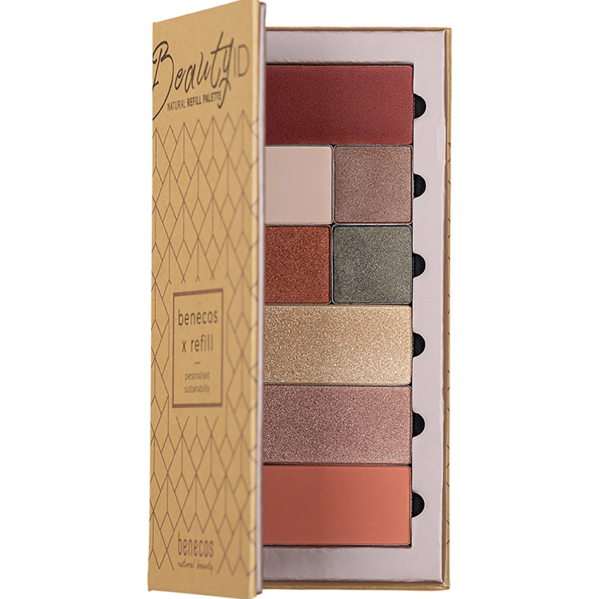
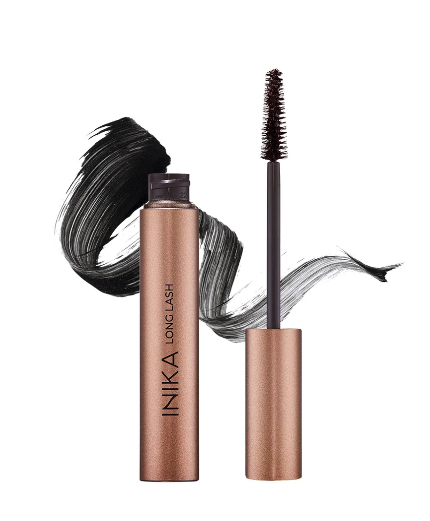
Autumn is the season to stop being quite so sensible with eye makeup. This year the trend is for a softer smoky eye. A little charcoal around the lashes, deep brown instead of bronze, a wash of plum or even a mossy green can completely change the feel of a makeup bag. The trick is not to make it too perfect.
Face
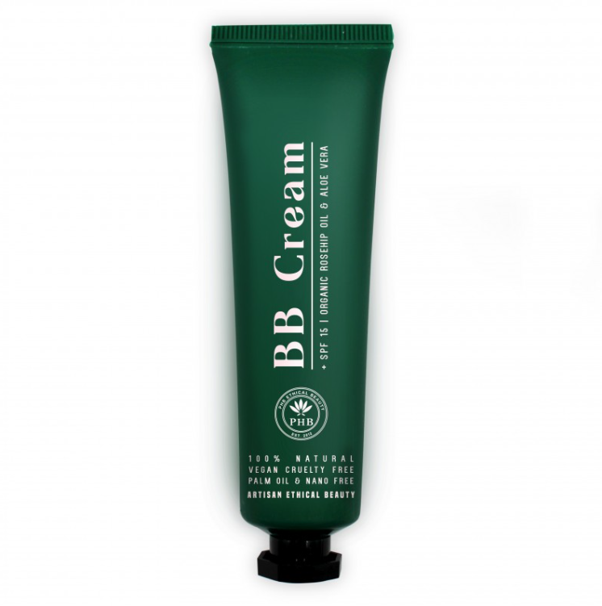
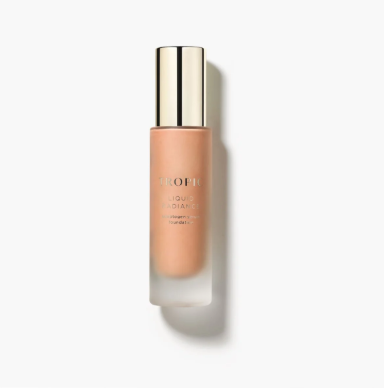
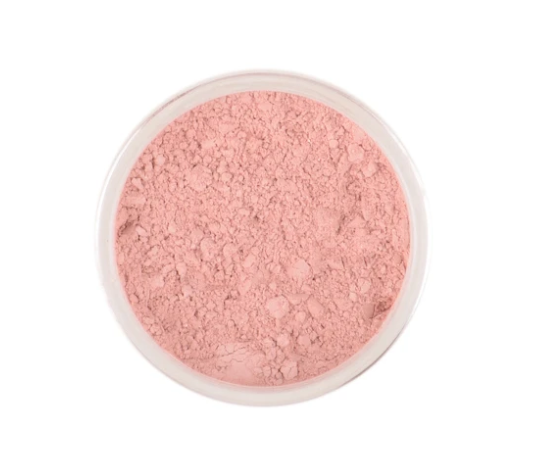
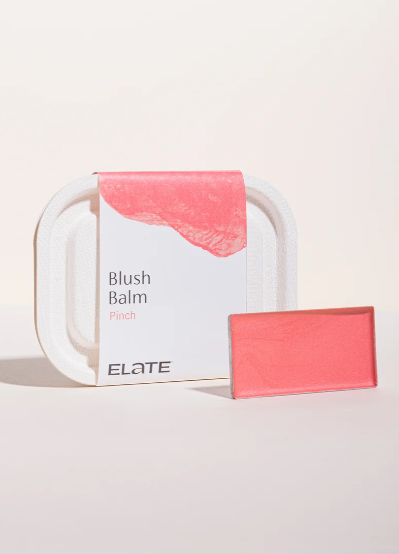
Autumn complexion is less about looking bronzed and more about looking healthy. We want skin that still looks like skin, with a little warmth, a natural flush and just enough luminosity.
Why We Chose These Brands
Sustainable beauty can't simply mean a cardboard box or a recyclable bottle. We looked for brands that could tell us where their ingredients come from, how their products are made, what happens to their packaging and how they approach the people working throughout their supply chains.
Odylique is particularly strong on Fairtrade sourcing. The brand buys certified Fairtrade ingredients where certification exists and its Fairtrade shea is sourced from a women's cooperative in Ghana.
Elate takes a similarly broad approach, requiring its ingredients to come from fair trade and ethical sources and aiming to eliminate single use cosmetic packaging. More than 95% of its packaging is currently reusable, recyclable or plantable.
Tropic has one of the more transparent supply chain policies. Suppliers are assessed for traceability, Fairtrade credentials where applicable, raw material sustainability, child labour and anti slavery standards, while higher risk ingredients such as mica are subject to additional checks.
INIKA combines certified organic, vegan and cruelty free formulations with responsible sourcing and a packaging programme based around sustainable and reused materials.
Honeypie Minerals takes a much smaller scale approach, making its mineral cosmetics in Britain and offering genuinely plastic free, compostable refills.
MÁDARA combines B Corp certification with COSMOS and ECOCERT certified formulas, responsibly sourced ingredients and production in its own factory in Latvia, powered by renewable electricity.
Neve’s Bees focuses on sustainably and ethically sourced ingredients, using wildcrafted local beeswax, organic oils and upcycled ingredients, with fully traceable, child labour free mica and recyclable packaging. The brand is also B Corp and Soil Association certified.
And that's really what we're looking for at The Edit. Not perfection, but evidence. Brands that can explain their decisions, show us what they're doing and keep trying to make the whole process better. Because choosing a beautiful lipstick shouldn't mean having to stop caring about how it got there.