The Autumn Larder
As the leaves turn and the evenings draw in, autumn can feel like nature's great winding down. Yet look a little closer and it is one of the most abundant seasons of all. The hedgerows, orchards, fields and woodlands offer a remarkable variety of ingredients, inviting us to change the way we eat, cook and gather as the year turns.
There is a particular pleasure in eating with the seasons. It connects us to the natural rhythms that once shaped everyday life, and encourages us to make the most of what is growing close to home. Ingredients are often fresher, more readily available and, when sourced locally, can have a lighter environmental footprint than produce transported over long distances. It also gives us the opportunity to discover things we might otherwise overlook.
Perhaps most importantly, seasonal eating makes everyday rituals feel special. Autumn invites us away from the lighter dishes of summer towards something deeper and more comforting: rich colours, earthy flavours, warming spices and food made for sharing. It is a season for gathering around the table, making the most of the harvest and finding pleasure in the simple abundance on our doorstep.
Fruit
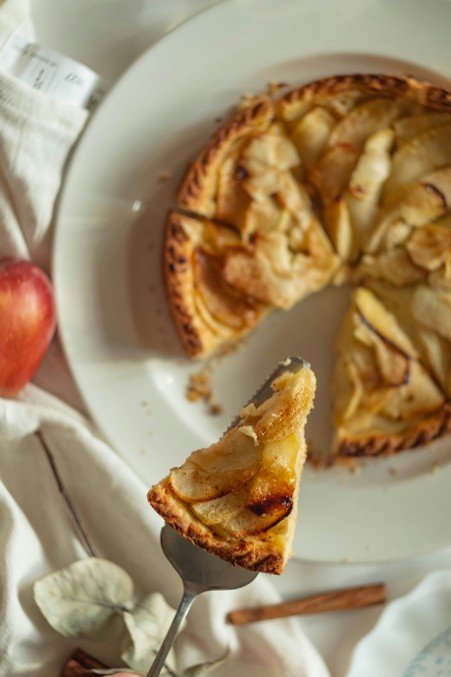
Apples are perhaps the quintessential British autumn fruit. Traditional varieties hang heavy from orchard trees, and markets offer an abundance of different colours, textures and flavours. Their versatility is part of their appeal. Enjoy them freshly picked, sliced into salads, baked into a classic pie or slowly cooked into chutney to be enjoyed throughout the winter months.
Pears offer something slightly more indulgent. Lovely eaten fresh, they are particularly good poached with warming spices or served alongside a good British cheese. Their delicate sweetness makes them equally at home at breakfast or as the centrepiece of a simple pudding.
Then there are quinces, one of autumn's most overlooked treasures. Hard and tart when raw, they transform when slowly cooked, becoming fragrant and jewel-like in colour. Their extraordinary perfume makes them wonderful for preserves, compotes and desserts, or simply served with cheese.
Damsons are another seasonal favourite, prized for their deep purple colour and wonderfully tart flavour. They lend themselves particularly well to jams, jellies and preserves, making it possible to enjoy a little of autumn's abundance long after the season has passed.
Vegetables
Autumn is when vegetables really come into their own. The lighter greens and tender produce of summer give way to earthy roots, substantial leaves and richly coloured squashes. These are ingredients that need little embellishment, yet can become the centrepiece of a meal.
Squash and pumpkin deserve a place well beyond Halloween. Their beautiful shapes and colours make them as attractive sitting on a kitchen counter as they are on a plate. Roasted with olive oil, sage and garlic, blended into a warming soup or folded through a creamy risotto, they bring sweetness and depth to autumn cooking.
Beetroot is another vegetable that makes an impression. Its earthy sweetness works particularly well with goat's cheese, walnuts and lentils, while its striking colour can turn an otherwise simple salad or tart into something rather special.
Leeks are a British staple and one of the most versatile ingredients in the autumn kitchen. Softened slowly in butter, they make an excellent accompaniment to roast meats and potatoes, while also forming the foundation of comforting soups, tarts and slow-cooked dishes.
For something a little less familiar, celeriac is well worth exploring. With its distinctive earthy flavour, it makes an excellent creamy purée, a crisp remoulade or a beautifully caramelised roasted side dish. It is particularly good alongside game and other richer autumn flavours.
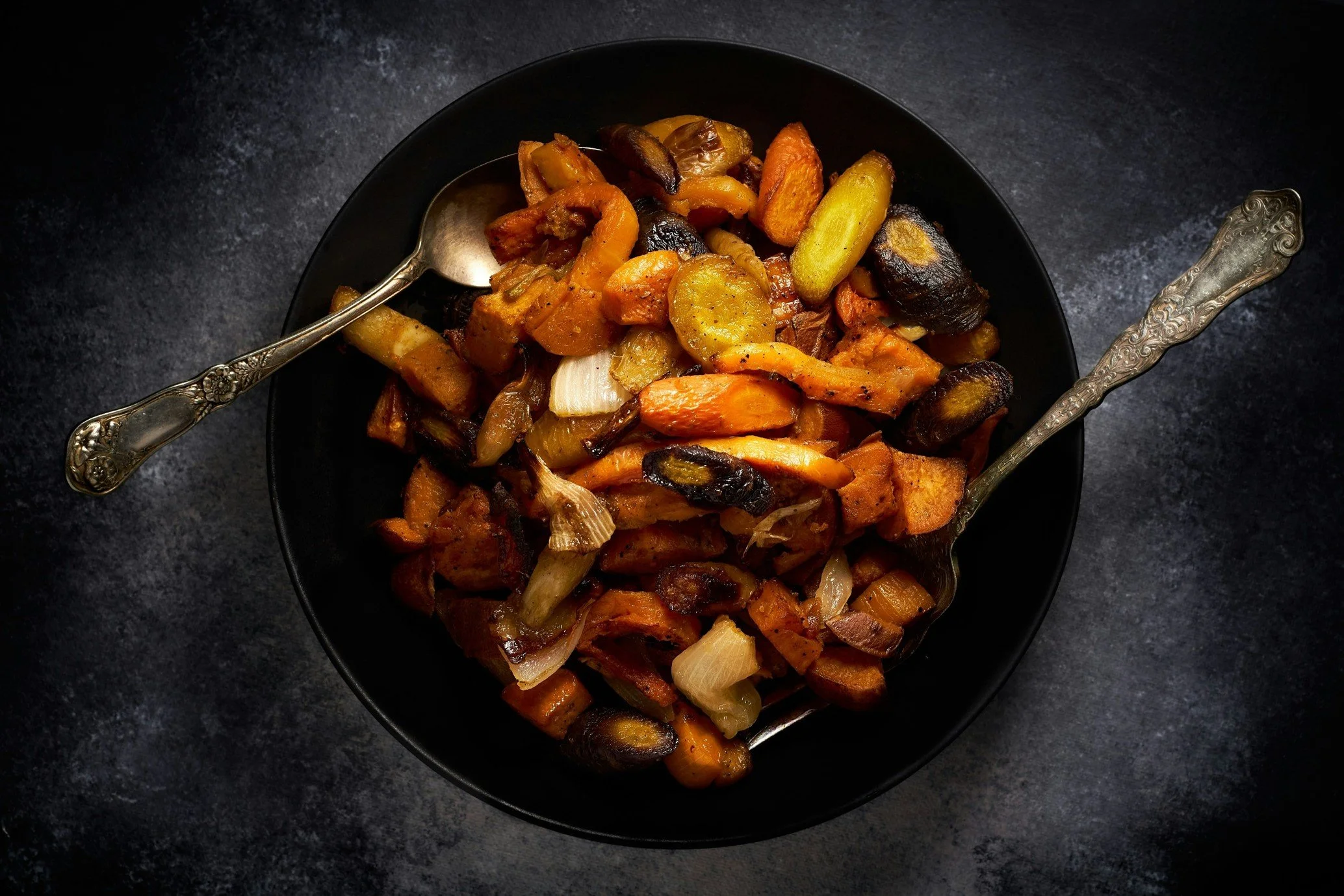
Parsnips and carrots may be familiar throughout the year, but autumn is an opportunity to enjoy them at their best. Roasted until their edges caramelise, with honey, thyme or warming spices, they make a wonderful addition to the Sunday table.
Kale and cabbage bring welcome substance to the season. Both are delicious simply cooked with butter, or added to soups, braises and dishes with white beans and potatoes. And then, of course, there are potatoes. Whether served as buttery mash, crisp roast potatoes or a simple gratin, they are the foundation of so many of the dishes that make autumn cooking such a pleasure.
This is a season to give vegetables the attention they deserve, allowing their natural flavours to take centre stage.
Mushrooms
Mushrooms seem almost made for autumn. Their distinctive flavours, varied textures and earthy aromas lend themselves perfectly to the richer cooking of the season.
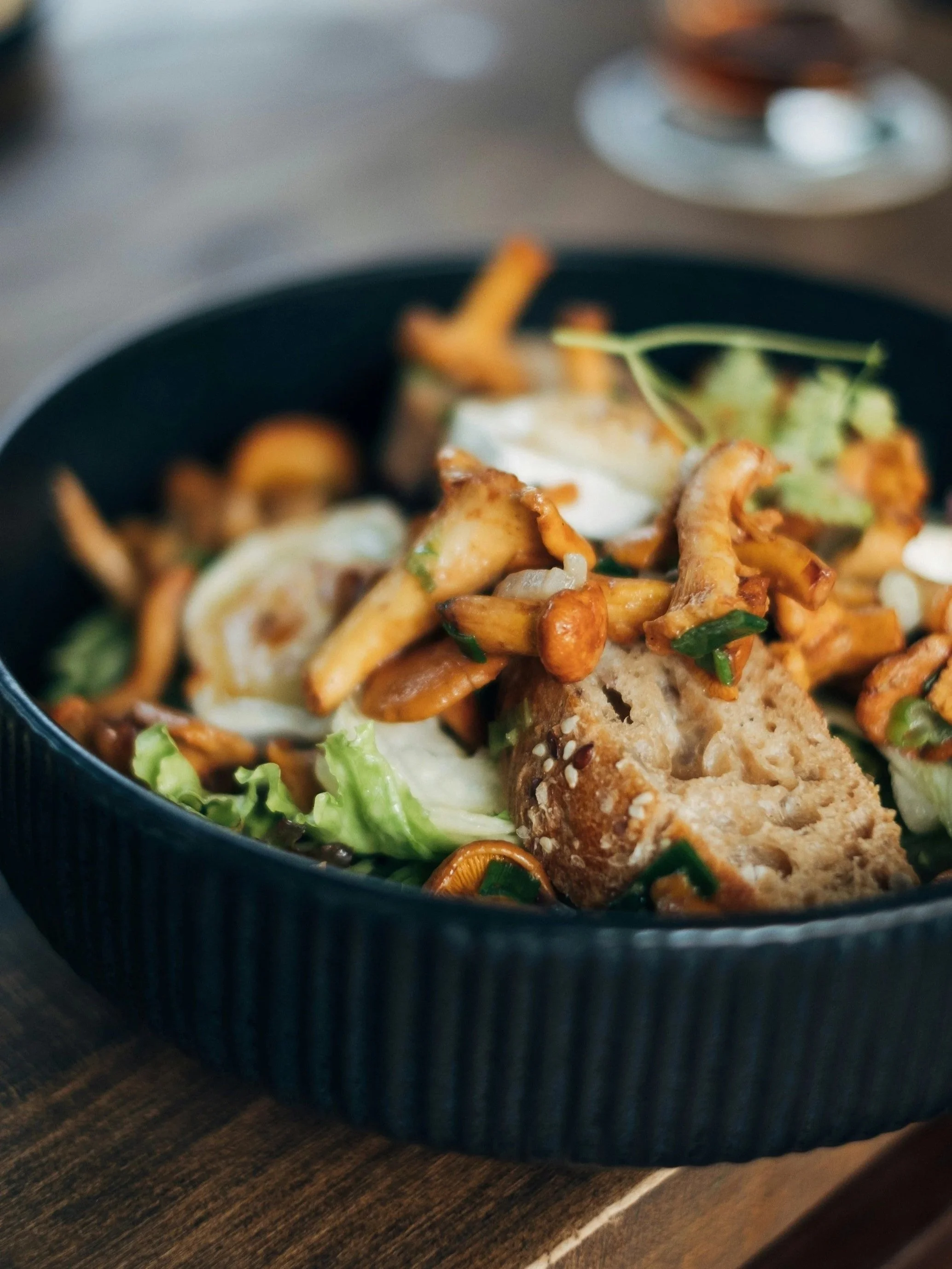
Autumn brings the opportunity to discover seasonal wild mushrooms such as ceps, chanterelles and hedgehog mushrooms. Their availability depends on the weather and conditions, but they offer an entirely different experience from the everyday varieties found in supermarkets.
Foraging can be a wonderful way to connect with the season. A woodland walk or organised foraging course offers the chance to learn more about the natural world and discover the ingredients growing around us. However, wild mushrooms should only ever be picked when positively identified by someone with the necessary expertise. Buying from a reputable supplier is an excellent alternative.
In the kitchen, mushrooms deserve to be more than an accompaniment. Try them piled onto sourdough with thyme and butter, roasted with garlic and parsley, or folded through a rich risotto or creamy pasta sauce. A mixture of different varieties brings wonderful depth to even the simplest dish.
From the sea
Seafood might not be the first thing that comes to mind when thinking about autumn, but the colder months bring their own opportunities to enjoy some particularly special ingredients.
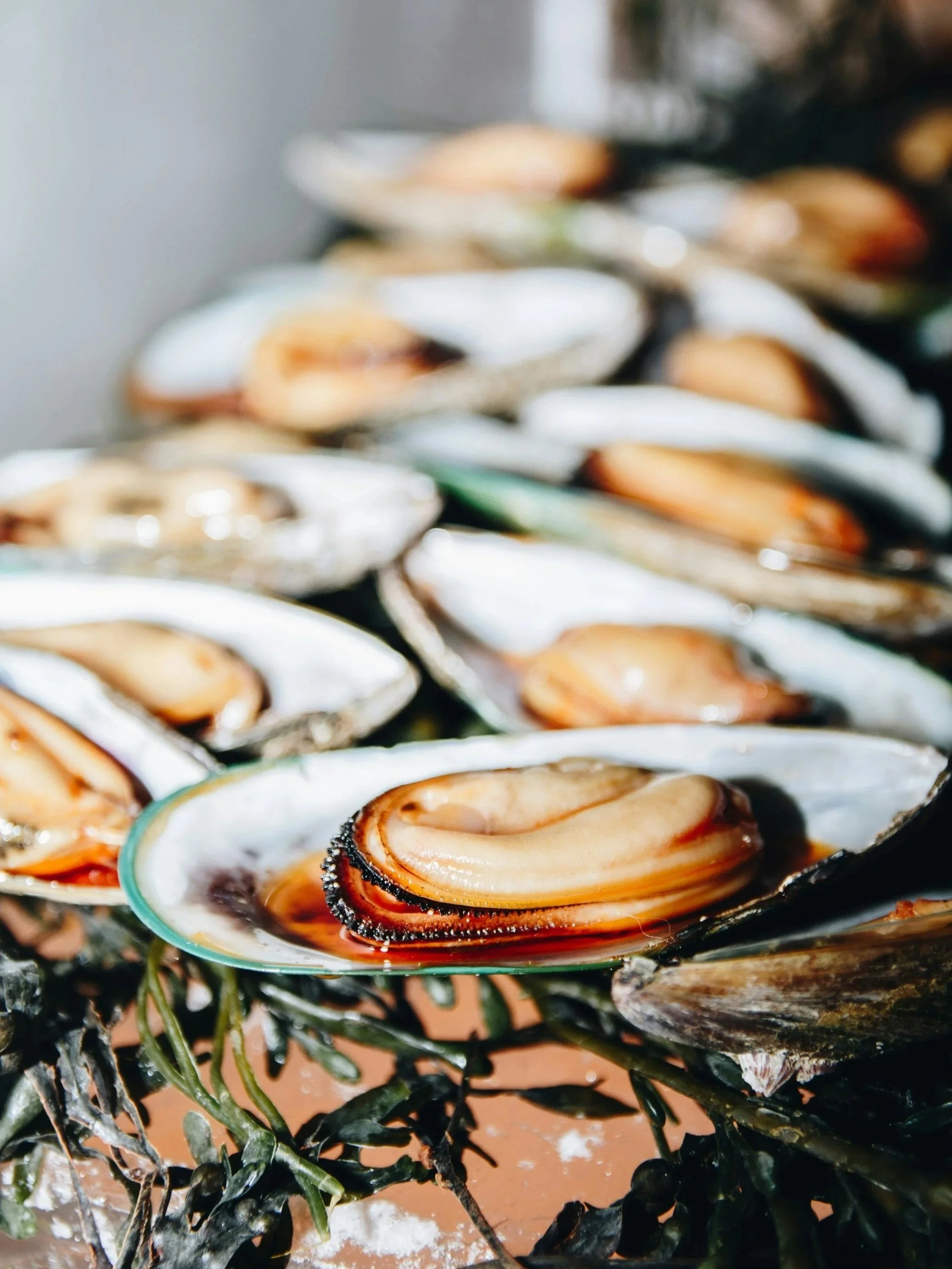
Mussels are at their best in the cooler months, traditionally enjoyed from autumn through to spring. They need very little to make a memorable meal: cooked with garlic, shallots, herbs and a splash of cider or wine, then served with crusty bread to soak up the fragrant broth.
Native oysters are another autumn and winter pleasure, traditionally enjoyed during the months with an 'r' in their name, from September through to April. Whether served simply with lemon or incorporated into a more elaborate dish, they bring a sense of occasion to the table.
Crab is worth seeking out too, particularly earlier in autumn when brown crab can still be in season. Sweet crab meat is delicious spread onto toasted sourdough, folded through pasta with lemon and parsley or made into a warming crab soup.
Mackerel, with its rich flavour, is particularly good towards the end of summer and into early autumn. Try it grilled and served with beetroot and horseradish, or simply flaked into a sandwich with fresh leaves. Trout is another versatile choice for a straightforward supper, easily roasted or pan-fried with butter, lemon and herbs.
As ever, seasonal availability does not automatically mean sustainable sourcing. Fishing methods, stock levels and the origin of seafood all matter, so it is worth checking current recommendations and choosing responsibly sourced options.
Game and the autumn table
Autumn brings the beginning of the British game season, offering an opportunity to explore meats that are perhaps less familiar in everyday cooking.
Pheasant, partridge and grouse each have their own distinctive character. Pheasant is particularly versatile, lending itself to roasting with root vegetables or slow cooking in a rich casserole with mushrooms, bacon and thyme. Its delicate flavour also works well with apples and cider.
Partridge is smaller and more tender, making it particularly suited to roasting whole. Serve with seasonal greens, roasted pears or a simple bread sauce for an elegant autumn supper.
Grouse, with its distinctive and more pronounced flavour, is often considered a special-occasion ingredient. Traditionally served with game chips, bread sauce and a sharp accompaniment such as rowan jelly, it makes for a memorable seasonal meal.
Game is also an interesting way to explore a different relationship with meat, making use of wild, traditionally managed populations rather than relying exclusively on familiar farmed cuts. As with all meat, provenance and responsible sourcing remain important.
Herbs
As summer's basil and mint give way, the autumn kitchen becomes a place for more aromatic herbs and warming spices.
Sage is a natural companion to squash, butter, beans and roasted vegetables. Its distinctive fragrance is particularly good when crisped in butter and spooned over pasta or gnocchi.
Thyme works beautifully with mushrooms, root vegetables and slow-cooked dishes, while rosemary brings warmth to roast potatoes, squash and hearty stews. Parsley provides a welcome freshness to rich sauces, soups and mushroom dishes, and bay leaves remain essential for stocks, braises and slow-cooked meals.
The spice cupboard also comes into its own. Cinnamon, nutmeg, cloves and ginger are not necessarily local ingredients, but they complement the season's British produce wonderfully. From apple puddings to spiced cakes and warming drinks, they are indispensable companions to autumn cooking.
Flowers
Seasonal living needn't stop at the kitchen door. Autumn has its own distinctive beauty, and bringing some of it indoors is a lovely way to reflect the changing landscape.
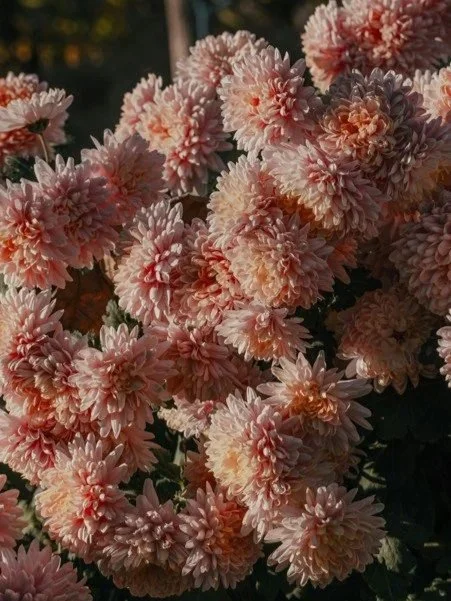
Dahlias can continue flowering well into autumn, offering rich, dramatic colours and wonderful variety. Chrysanthemums bring warmth and texture, while asters provide a softer contrast with their delicate, daisy-like flowers. Sedum is another lovely seasonal choice, particularly as its flower heads deepen in colour towards the end of the year.
Foliage can be just as striking as flowers. Rosehips, colourful branches, seedheads and late-season grasses bring texture and movement to arrangements. As the season progresses, holly berries and the bright fruits of cotoneaster add vibrant colour, while pinecones and fallen branches make beautiful additions to seasonal displays and wreaths.
Dried flowers and seedheads are particularly appealing at this time of year, allowing arrangements to be enjoyed long after the growing season has ended.
Choosing flowers and foliage that are naturally available in the UK, rather than relying on imported blooms, is another way to bring the rhythms of the season into our homes.
Drinks
As the evenings become darker, autumn drinks are an invitation to slow down and embrace a little warmth.
Apples make another appearance here. Hot apple juice infused with cinnamon, cloves and a slice of orange is a wonderfully simple alternative to tea or coffee on a cold afternoon. For something more indulgent, try making a spiced apple cordial or serving traditional cider warm with a few seasonal aromatics.
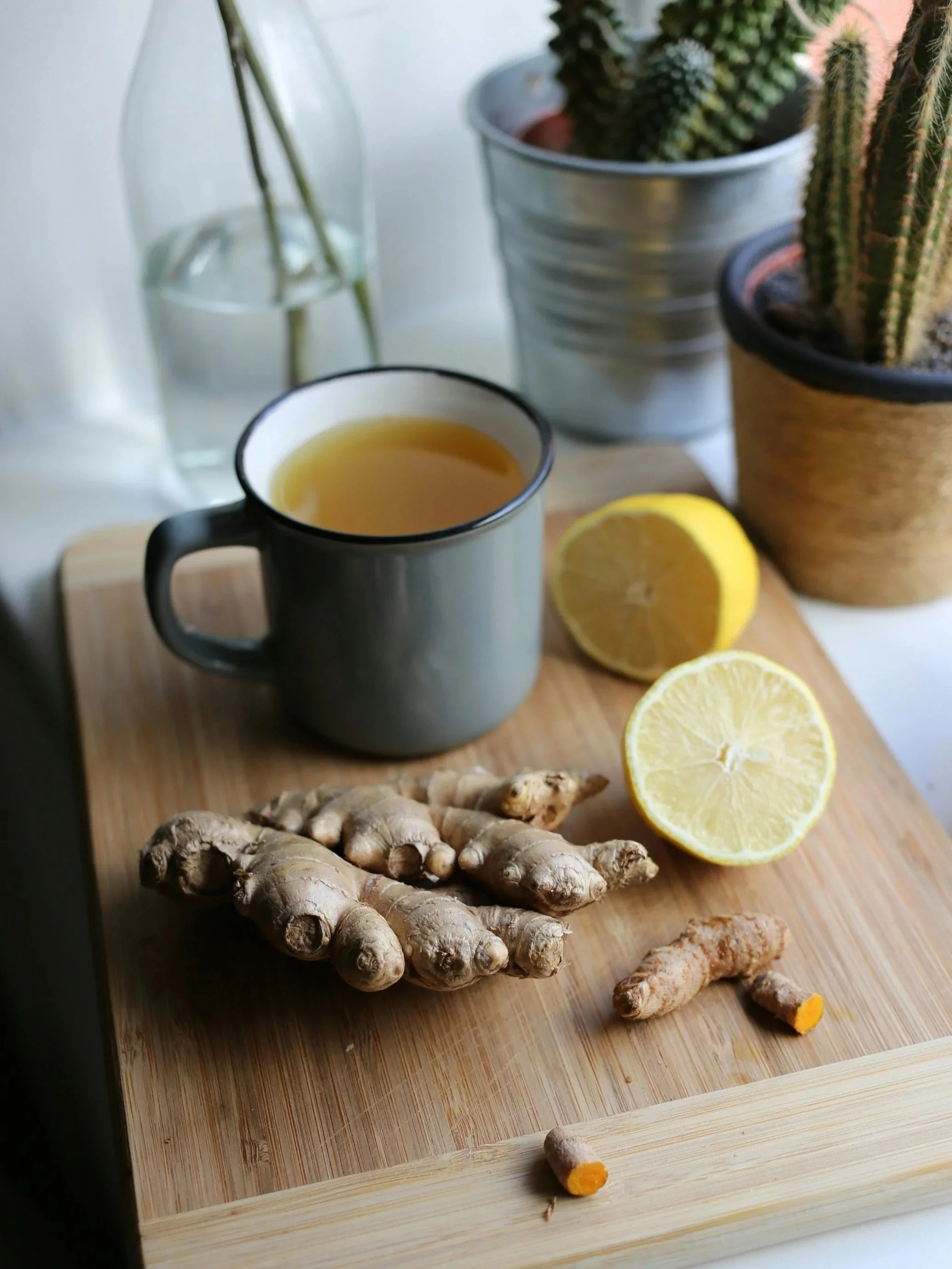
Ginger tea is another comforting favourite, particularly when made with fresh ginger and a little honey. Chai, with its combination of cinnamon, cardamom, cloves and ginger, is equally suited to the season.
And as the weeks move towards Christmas, there is the familiar pleasure of mulled wine. Red wine warmed gently with orange peel, sugar, cloves, cinnamon and star anise fills the house with the unmistakable fragrance of the approaching festive season. It is as much about the experience as the drink itself: something to share with friends after a cold walk, or to enjoy slowly on an evening at home.
The autumn pantry
A well-stocked pantry makes seasonal cooking easier and allows us to make the most of the ingredients we bring home. Oats are essential for porridge, baking and homemade granola. Lentils and dried beans provide the foundation for nourishing soups and substantial meals, while walnuts and hazelnuts add texture to salads, breakfast bowls and seasonal puddings. A jar of good local honey is lovely to have to hand, alongside good olive oil, cider vinegar and mustard for dressings, marinades and sauces. Flour, sugar and a selection of warming spices make spontaneous autumn baking all the more appealing. Preserves deserve their own place on the shelf. Homemade apple chutney, damson jam and other seasonal preserves are a wonderful way to capture the harvest and enjoy it through the colder months. The freezer is another useful part of the autumn kitchen. Surplus fruit and vegetables can be frozen for later use, while stocks, soups and sauces can be made in larger quantities and saved for evenings when there is little time to cook. The idea is not to fill cupboards for the sake of it, but to have a few dependable ingredients ready to make seasonal cooking an everyday pleasure.
The rituals of autumn
Perhaps the loveliest part of seasonal living is finding ways to make the most of the ingredients around us. It doesn't need to be elaborate. Often it is simply a matter of bringing a little more intention to the everyday.
The autumn breakfast: A bowl of warm porridge topped with sliced British apples, toasted hazelnuts, cinnamon and honey. Simple, nourishing and a lovely way to begin a colder morning.
The market lunch: Mushrooms on toasted sourdough, cooked slowly in butter with thyme, alongside a crisp apple and a pot of tea.
The weekend supper: Roasted squash with sage, Puy lentils and toasted walnuts, served with a sharp green salad. A satisfying meal that makes vegetables the centrepiece.
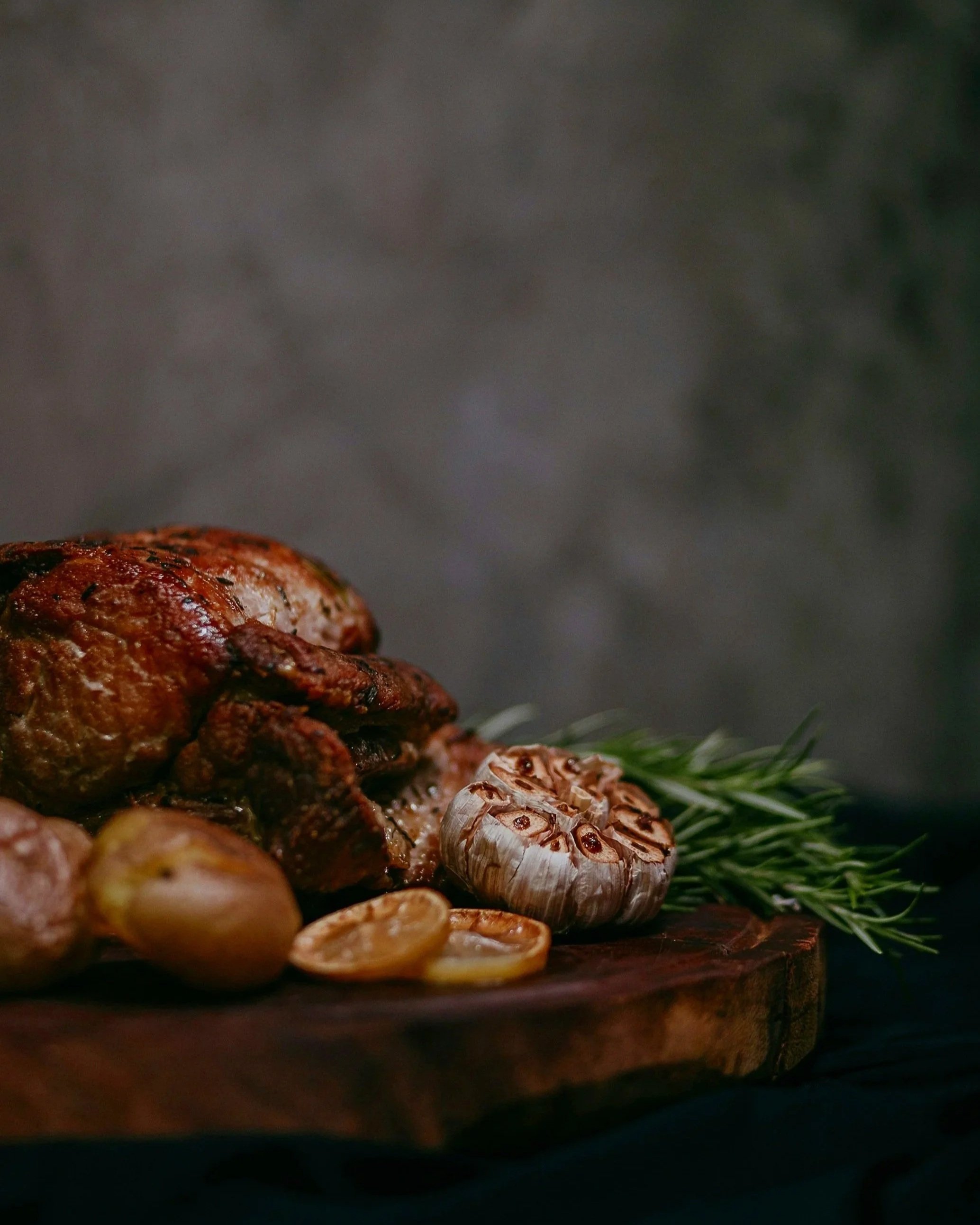
The Sunday table: A traditional roast chicken with parsnips, carrots, potatoes and seasonal greens, followed by something baked with apples.
The afternoon treat: A warm apple crumble, perhaps with a handful of late-season blackberries if available, served with thick yoghurt or custard.
The evening ritual: A mug of hot apple juice with cinnamon and cloves, enjoyed after a walk as the light fades.
The Joy of the Season
Autumn is an invitation to gather, preserve, cook and make our homes welcoming as the days grow shorter. It is a chance to look beyond the familiar, discover ingredients we might not usually buy and appreciate the extraordinary variety that each season brings.
Living seasonally isn't about trying to fit everything into a few short months, nor is it about following a set of rules. It is about noticing what is available around us, understanding where it comes from and finding pleasure in making the most of it.
There is a particular kind of luxury in that connection: in a basket of locally grown apples, a meal made from the autumn harvest, flowers gathered from the garden or a warming drink shared after a long walk. These are simple pleasures, but they remind us that some of the richest experiences are already rooted in the places we call home.